Shelf-Ready Low Cost Small Retailers: Contract Terms for Importers

This guide to Low Cost Entry Vape for Small Retailers is written for duty-free operators who need repeatable supply rather than a one-off purchase. It focuses on the decisions that change your landed cost and your shelf availability, and skips the parts that do not.
What Low Cost Entry Vape for Small Retailers Actually Covers
The phrase Low Cost Entry Vape for Small Retailers gets used loosely in export enquiries, which is why quotations sometimes look impossible to compare. One factory may price a bare unit while another includes retail packaging, labelling and a master carton. Getting the scope written down first saves a round of emails and, more importantly, stops you from discovering the difference after the goods land.
Scope is the first thing to pin down with Low Cost Entry Vape for Small Retailers. Hardware, consumables and packaging are often bundled differently depending on the factory, so a low unit price can quietly hide a higher landed cost. A one-page specification agreed before sampling removes most of that ambiguity.
Quality Control Steps That Catch Problems Early
Inspection works when it happens before shipment. A pre-shipment check on Low Cost Entry Vape for Small Retailers covering quantity, appearance, function and packaging typically takes a day and costs a fraction of a return. Book it early enough that a failed report still leaves time to rework.
Agree the acceptable defect threshold for Low Cost Entry Vape for Small Retailers in writing before production. Without a number, every inspection becomes a negotiation, and the negotiation always happens when you have the least leverage.
The most useful QC report for Low Cost Entry Vape for Small Retailers is a boring one: carton count, defect rate by category, photographs of the packing method, and a clear pass or fail. Narrative reports that hedge are far less useful than a simple count you can hold someone to.
Sustainability and Packaging Waste
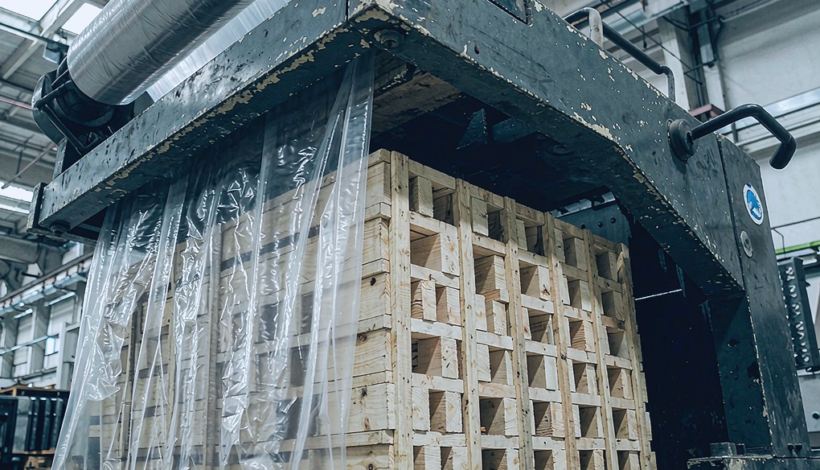
Packaging waste is becoming a purchasing question rather than a marketing one. Right-sizing cartons for Low Cost Entry Vape for Small Retailers reduces both material cost and freight cost, which makes it one of the few changes that helps margin and footprint at once.
If your market expects recyclable materials for Low Cost Entry Vape for Small Retailers, ask what the factory can actually supply rather than assuming. The gap between what is available and what is requested is usually narrower than buyers expect.
Shipping Routes, Transit Time and Freight Options
Choosing between sea, air and express for Low Cost Entry Vape for Small Retailers is a margin question, not a speed question. Sea freight protects unit economics on planned volume; air rescue shipments protect shelf availability. Most importers end up using both, and planning for that is cheaper than improvising.
Freight quotes for Low Cost Entry Vape for Small Retailers move with fuel surcharges, currency and space availability. Ask whether the rate is fixed for a period or spot-quoted per shipment, because that single detail determines how predictable your landed cost will be over a year.
Transit time for Low Cost Entry Vape for Small Retailers depends far more on the route and the season than on the distance. Peak periods add days at both ends, and consolidations add handling. Build the realistic window into your reorder point rather than the best case the forwarder quotes.
| Order Stage | Working Days | What Happens |
|---|---|---|
| Specification sign-off | 3 working days | Confirms tolerances and materials |
| Sampling | 5–2 working days | Production units, not showroom pieces |
| Production | 2 working days | Scheduled against your slot |
| Inspection and packing | 3 working days | Photographs included in the report |
Specifications Worth Checking Before You Order
Three specification lines cause most disputes on Low Cost Entry Vape for Small Retailers orders: capacity tolerance, material grade and finish consistency. Ask for measured values rather than nominal ones, and request photographs of the actual production batch instead of a catalogue render. It takes an extra day and removes most of the risk.
A good specification for Low Cost Entry Vape for Small Retailers is measurable. Capacity, resistance, material thickness and finish should all have a stated tolerance, not a marketing range. When tolerances are missing, quality arguments later become opinion against opinion, and that is a conversation you will not win from another continent.
Trends Shaping Low Cost Entry Vape for Small Retailers This Year
2026 has been a year of consolidation for Low Cost Entry Vape for Small Retailers. Buyers are trimming ranges and concentrating volume with suppliers who deliver consistently, which favours preparation over improvisation.
Three things are shaping Low Cost Entry Vape for Small Retailers in 2026: tighter compliance expectations, shorter product cycles, and buyers who want smaller, more frequent shipments. None of these are dramatic, but together they change what a good supplier looks like.
The direction of travel for Low Cost Entry Vape for Small Retailers is towards fewer, better-documented products rather than an ever-wider catalogue. Suppliers who can provide consistent documentation are winning orders that used to go purely on price.
Choosing Between Air, Sea and Express
For Low Cost Entry Vape for Small Retailers, the break-even between air and sea is mostly about how long your cash is tied up and how quickly the stock turns. Fast-moving lines can justify air; slow ones almost never can.
Ask your forwarder for the all-in door-to-door figure for Low Cost Entry Vape for Small Retailers rather than the port-to-port rate. The difference between the two numbers is usually where freight budgets quietly disappear.
- Compare landed cost, not headline unit price
- Request the full document set during production
- Treat the first shipment as a test and the second as the real order
- Keep a reorder calendar instead of reacting to stockouts
- Confirm labelling rules for the destination at order time
Every Low Cost Entry Vape for Small Retailers order starts the same way here — a short conversation about volume, market and timing. If the fit is right we will quote; if it is not, we will say so and point you somewhere better.
Frequently asked questions
Can you handle repeat or scheduled Low Cost Entry Vape for Small Retailers orders?
Yes, and it suits both sides. A scheduled cycle lets us reserve production capacity, which shortens lead times and makes pricing more stable than ad-hoc ordering.
How is Low Cost Entry Vape for Small Retailers packed for export?
Packing depends on the product and route, but the principle is the same: inner protection, a rigid master carton and a pallet pattern that survives handling. We can send photographs of the packing method before dispatch.
Are there compliance requirements I should know about for Low Cost Entry Vape for Small Retailers?
Requirements vary by destination and they change. We confirm the current position for your market at the point of order and supply the documentation that supports it, but the importer of record remains responsible for local compliance.
What happens if a Low Cost Entry Vape for Small Retailers shipment arrives damaged?
Report it within the agreed window with photographs and carton references and we will work through a credit or replacement. This is much faster when an inspection report exists, which is why we recommend one for larger orders.
How long does a Low Cost Entry Vape for Small Retailers order take to arrive?
Production for Low Cost Entry Vape for Small Retailers commonly runs two to four weeks depending on specification and packaging, with transit added on top. Sea freight adds several weeks, air considerably less. We quote a realistic window rather than a best case.
Related reading
Talk to us about low cost entry vape for small retailers bulk
Send us your target quantity, destination and timing. We answer with real options and a landed cost you can compare — normally within one working day.