Sampling before Volume Orders — Private Label Low Cost Small Retailers
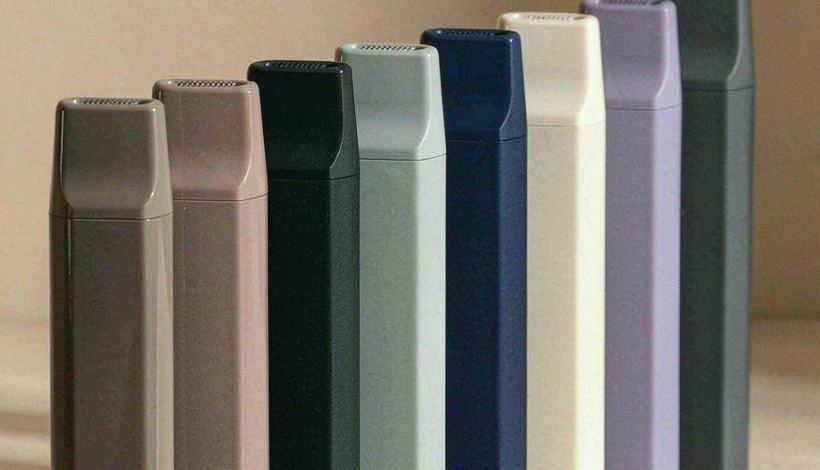
If you are looking at Low Cost Entry Vape for Small Retailers for the first time, the number of options can be disorienting. This page sets out the practical detail — what to specify, what it costs to land, and where orders usually go wrong — so you can move from enquiry to shipment without guessing.
OEM and Private Label Possibilities
OEM work on Low Cost Entry Vape for Small Retailers is most cost-effective when you change what the factory can already do. A different colour, a printed logo or a reworked carton costs far less than a new mould, and it gets you a recognisable product much faster.
If you are considering a private label version of Low Cost Entry Vape for Small Retailers, ask what the factory needs from you: artwork format, colour reference, quantity per variant and lead time for the first run. Clear inputs at the start quietly remove weeks from the schedule.
Documentation Set You Should Request
Good documentation on Low Cost Entry Vape for Small Retailers tells you who made the goods, when, and to what specification. That matters for traceability if a batch is ever questioned, and it matters for your own stock rotation.
Ask for a complete document set with Low Cost Entry Vape for Small Retailers: invoice, packing list, origin certificate, batch identification and any product-specific test reports. Requesting them during production is routine; requesting them after arrival is a problem.
Keep a single folder per Low Cost Entry Vape for Small Retailers shipment: quotation, approved sample reference, inspection report and shipping documents. Six months later, when you are reordering, that folder is the fastest way to repeat a good result.
Who Buys Low Cost Entry Vape for Small Retailers and Why
The buyers behind Low Cost Entry Vape for Small Retailers orders are usually pragmatic. They care about whether the product sells through, whether it arrives intact, and whether the next shipment will match the last one. Everything else is secondary, which is why consistency beats novelty in most reorder conversations.
supermarket buyers tend to reorder Low Cost Entry Vape for Small Retailers on a rhythm rather than in one large batch. That rhythm is driven by shelf turnover, seasonal footfall and how quickly a flavour or format goes stale in the local market. Understanding who your end buyer is makes the reorder maths much easier.
Seasonal Demand and Reorder Timing
Demand for Low Cost Entry Vape for Small Retailers is seasonal in most markets, and the season shifts by a few weeks each year. Track your own sell-through by week rather than by month — weekly data shows the turn early enough to reorder comfortably.
Most stockouts on Low Cost Entry Vape for Small Retailers are planning failures rather than supply failures. The goods were available; the order simply went in three weeks late. A written reorder calendar removes most of that risk for very little effort.
Reorder timing for Low Cost Entry Vape for Small Retailers should be calculated backwards from the shelf, not forwards from the factory. Start with the week you need stock, subtract the realistic transit window, add a buffer for inspection, and you have your order date.
| Specification | Typical Range | Why It Matters |
|---|---|---|
| Unit specification | 8–3 variant range | Defines what the factory must hold |
| Master carton | 5 units per carton | Drives freight cost per unit |
| Production lead time | 8–3 working days | Sets your reorder point |
| Inspection window | 5 day report turnaround | Must fit before vessel cut-off |
What Low Cost Entry Vape for Small Retailers Actually Covers
Before comparing prices, it helps to agree on what counts as Low Cost Entry Vape for Small Retailers. In day-to-day trade the term covers a fairly wide band of products, and two suppliers can quote very different things under the same label. Ask for a specification sheet that lists materials, dimensions and what is included in each unit, then compare that against what actually arrives in the carton.
The phrase Low Cost Entry Vape for Small Retailers gets used loosely in export enquiries, which is why quotations sometimes look impossible to compare. One factory may price a bare unit while another includes retail packaging, labelling and a master carton. Getting the scope written down first saves a round of emails and, more importantly, stops you from discovering the difference after the goods land.
Sample Orders and Evaluation Checklist
Evaluate Low Cost Entry Vape for Small Retailers samples the way your customer will use them, not the way they look on a desk. Check the packaging after a short transit, check the finish under retail lighting, and check consistency across several units rather than one.
A short evaluation checklist for Low Cost Entry Vape for Small Retailers keeps decisions comparable: specification match, finish quality, packaging integrity, documentation completeness and how the supplier handled the request. Score each one and the choice usually becomes obvious.
Order 3 samples of Low Cost Entry Vape for Small Retailers rather than one. Single units are hand-picked; a small batch shows you what the production line actually produces, and that is what you are about to buy in volume.
Trends Shaping Low Cost Entry Vape for Small Retailers This Year
2026 has been a year of consolidation for Low Cost Entry Vape for Small Retailers. Buyers are trimming ranges and concentrating volume with suppliers who deliver consistently, which favours preparation over improvisation.
The direction of travel for Low Cost Entry Vape for Small Retailers is towards fewer, better-documented products rather than an ever-wider catalogue. Suppliers who can provide consistent documentation are winning orders that used to go purely on price.
- Confirm labelling rules for the destination at order time
- Request the full document set during production
- Split very large Low Cost Entry Vape for Small Retailers orders across production slots
- Treat the first shipment as a test and the second as the real order
- Ask which components are stocked as spares
Every Low Cost Entry Vape for Small Retailers order starts the same way here — a short conversation about volume, market and timing. If the fit is right we will quote; if it is not, we will say so and point you somewhere better.
Frequently asked questions
What is the usual minimum order for Low Cost Entry Vape for Small Retailers?
Most Low Cost Entry Vape for Small Retailers production runs start at a carton-level minimum rather than a single unit. The exact figure depends on how many variants you need and whether the packaging is standard or custom printed, so it is worth asking with your actual mix in mind.
How is Low Cost Entry Vape for Small Retailers packed for export?
Packing depends on the product and route, but the principle is the same: inner protection, a rigid master carton and a pallet pattern that survives handling. We can send photographs of the packing method before dispatch.
Do you provide samples of Low Cost Entry Vape for Small Retailers before a bulk order?
Samples are available and we recommend them. A small batch rather than a single unit gives a truer picture of production consistency, and the sample cost is normally credited against a confirmed order.
What happens if a Low Cost Entry Vape for Small Retailers shipment arrives damaged?
Report it within the agreed window with photographs and carton references and we will work through a credit or replacement. This is much faster when an inspection report exists, which is why we recommend one for larger orders.
How do you price Low Cost Entry Vape for Small Retailers compared with a trading company?
We quote from the production side, so product, packaging and logistics are listed separately rather than folded into one number. That makes comparison easier and usually shows where a competing quote has hidden its margin.
Related reading
Talk to us about low cost entry vape for small retailers bulk
Send us your target quantity, destination and timing. We answer with real options and a landed cost you can compare — normally within one working day.