OEM Low Cost Small Retailers: Pre-Shipment Inspection
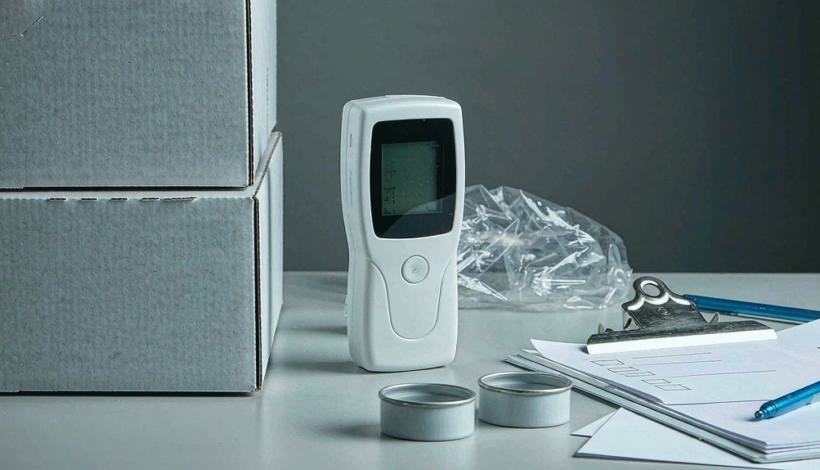
Most problems with Low Cost Entry Vape for Small Retailers are not product problems — they are specification, packaging or timing problems that were visible in advance. This page is a checklist for catching them while they are still cheap to fix.
Working with Agents Versus Direct Factories
Agents add value on Low Cost Entry Vape for Small Retailers when you need local follow-up, consolidation across factories or help with documentation. They add cost when all you need is a single product from a single line.
The honest test: ask whether the agent can tell you something about Low Cost Entry Vape for Small Retailers production that you could not learn from the factory's own quotation. If not, you are paying for an introduction.
Common Mistakes Buyers Make
Skipping the carton check is a close second. Packaging failures on Low Cost Entry Vape for Small Retailers shipments rarely show up as a visible defect; they show up as scuffed retail units that will not sell at full price. Open a few cartons at random before signing off.
The most expensive mistake with Low Cost Entry Vape for Small Retailers is ordering the full quantity before evaluating a sample. Production samples, not showroom units, are what you will receive. Run the sample through the handling it will actually face and only then commit.
The third mistake is treating the first order as the final specification. Low Cost Entry Vape for Small Retailers improves once you feed back what the market did with it. Buyers who treat the first shipment as a test and the second as the real order usually end up with better margins.

Documentation Set You Should Request
Ask for a complete document set with Low Cost Entry Vape for Small Retailers: invoice, packing list, origin certificate, batch identification and any product-specific test reports. Requesting them during production is routine; requesting them after arrival is a problem.
Keep a single folder per Low Cost Entry Vape for Small Retailers shipment: quotation, approved sample reference, inspection report and shipping documents. Six months later, when you are reordering, that folder is the fastest way to repeat a good result.
Who Buys Low Cost Entry Vape for Small Retailers and Why
The buyers behind Low Cost Entry Vape for Small Retailers orders are usually pragmatic. They care about whether the product sells through, whether it arrives intact, and whether the next shipment will match the last one. Everything else is secondary, which is why consistency beats novelty in most reorder conversations.
specialty tobacconists tend to reorder Low Cost Entry Vape for Small Retailers on a rhythm rather than in one large batch. That rhythm is driven by shelf turnover, seasonal footfall and how quickly a flavour or format goes stale in the local market. Understanding who your end buyer is makes the reorder maths much easier.
Demand for Low Cost Entry Vape for Small Retailers rarely comes from a single customer type. Some specialty tobacconists want steady replacement stock, others want something seasonal they can merchandise for six weeks. Those two buying patterns need different carton sizes and different delivery windows, so it is worth separating them when you plan.
| Specification | Typical Range | Why It Matters |
|---|---|---|
| Unit specification | 15–9 variant range | Defines what the factory must hold |
| Master carton | 14 units per carton | Drives freight cost per unit |
| Production lead time | 15–9 working days | Sets your reorder point |
| Inspection window | 14 day report turnaround | Must fit before vessel cut-off |
Minimum Order Quantities and Carton Planning
Carton planning decides whether Low Cost Entry Vape for Small Retailers arrives in a condition you can sell. Under-filled cartons deform in transit; over-filled ones split at the seams. Aim for a fill that leaves the carton rigid without compressing the product, and check the stacking height against your pallet pattern.
MOQ on Low Cost Entry Vape for Small Retailers is usually set by whatever makes a production run efficient, not by any fixed rule. If your requirement is below the standard minimum, ask whether a mixed carton or a shared production slot is possible instead of accepting a large surplus you cannot sell through.
Building A Repeatable Replenishment Cycle
Scheduled replenishment for Low Cost Entry Vape for Small Retailers gives you leverage you do not get with ad-hoc orders. A supplier who can see your next four shipments will prioritise your production slot, and that priority is worth more than a small discount.
Most importers of Low Cost Entry Vape for Small Retailers who move to a fixed monthly cycle report the same benefit: fewer emergencies. The total volume ordered barely changes, but the number of urgent shipments drops sharply.
A repeatable cycle for Low Cost Entry Vape for Small Retailers has three inputs: weekly sell-through, lead time and buffer. Once those are written down, reordering becomes a routine task instead of a decision, and routine tasks are the ones that actually happen.
Quality Control Steps That Catch Problems Early
The most useful QC report for Low Cost Entry Vape for Small Retailers is a boring one: carton count, defect rate by category, photographs of the packing method, and a clear pass or fail. Narrative reports that hedge are far less useful than a simple count you can hold someone to.
Agree the acceptable defect threshold for Low Cost Entry Vape for Small Retailers in writing before production. Without a number, every inspection becomes a negotiation, and the negotiation always happens when you have the least leverage.
- Confirm labelling rules for the destination at order time
- Ask which components are stocked as spares
- Request the full document set during production
- Keep a reorder calendar instead of reacting to stockouts
- Split very large Low Cost Entry Vape for Small Retailers orders across production slots
If you want to move on Low Cost Entry Vape for Small Retailers, the fastest next step is a specification and a sample. Send us your target quantity and destination and we will come back with options, timings and a landed cost you can compare against what you have today.
Frequently asked questions
What documentation comes with a Low Cost Entry Vape for Small Retailers shipment?
A standard shipment includes commercial invoice, packing list and certificate of origin, with product-specific declarations where the destination requires them. We prepare the set during production so it is ready before the goods arrive.
Can different variants of Low Cost Entry Vape for Small Retailers be mixed in one carton?
Mixed cartons are usually possible and are a good option when you are testing a range or working below a per-variant minimum. There is normally a small packing surcharge, which we will show on the quotation.
What happens if a Low Cost Entry Vape for Small Retailers shipment arrives damaged?
Report it within the agreed window with photographs and carton references and we will work through a credit or replacement. This is much faster when an inspection report exists, which is why we recommend one for larger orders.
How do you price Low Cost Entry Vape for Small Retailers compared with a trading company?
We quote from the production side, so product, packaging and logistics are listed separately rather than folded into one number. That makes comparison easier and usually shows where a competing quote has hidden its margin.
How is Low Cost Entry Vape for Small Retailers packed for export?
Packing depends on the product and route, but the principle is the same: inner protection, a rigid master carton and a pallet pattern that survives handling. We can send photographs of the packing method before dispatch.
Related reading
Talk to us about low cost entry vape for small retailers bulk
Send us your target quantity, destination and timing. We answer with real options and a landed cost you can compare — normally within one working day.