Certified Low Cost Small Retailers: Compliance Basics for Importers
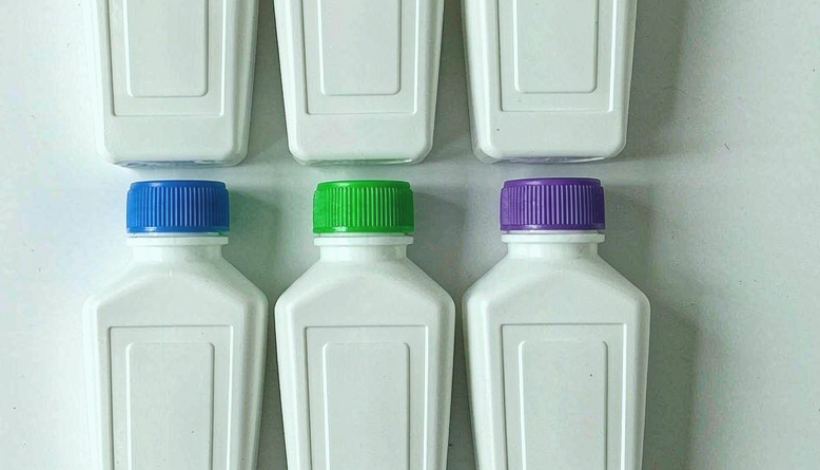
This guide to Low Cost Entry Vape for Small Retailers is written for importers who need repeatable supply rather than a one-off purchase. It focuses on the decisions that change your landed cost and your shelf availability, and skips the parts that do not.
Shipping Routes, Transit Time and Freight Options
Transit time for Low Cost Entry Vape for Small Retailers depends far more on the route and the season than on the distance. Peak periods add days at both ends, and consolidations add handling. Build the realistic window into your reorder point rather than the best case the forwarder quotes.
Freight quotes for Low Cost Entry Vape for Small Retailers move with fuel surcharges, currency and space availability. Ask whether the rate is fixed for a period or spot-quoted per shipment, because that single detail determines how predictable your landed cost will be over a year.
Quality Control Steps That Catch Problems Early
The most useful QC report for Low Cost Entry Vape for Small Retailers is a boring one: carton count, defect rate by category, photographs of the packing method, and a clear pass or fail. Narrative reports that hedge are far less useful than a simple count you can hold someone to.
Inspection works when it happens before shipment. A pre-shipment check on Low Cost Entry Vape for Small Retailers covering quantity, appearance, function and packaging typically takes a day and costs a fraction of a return. Book it early enough that a failed report still leaves time to rework.
Agree the acceptable defect threshold for Low Cost Entry Vape for Small Retailers in writing before production. Without a number, every inspection becomes a negotiation, and the negotiation always happens when you have the least leverage.
Margin Maths for Retailers
Margin on Low Cost Entry Vape for Small Retailers is decided at the purchase stage. Landed cost per sellable unit, not unit price, is the number that matters — and it includes freight, duty, shrinkage and the small percentage that never sells at full price.
Retailers who track Low Cost Entry Vape for Small Retailers by margin per shelf metre rather than margin per unit consistently make better range decisions. The product that earns slightly less per unit but turns twice as fast is usually the better use of the space.
Building A Repeatable Replenishment Cycle
Most importers of Low Cost Entry Vape for Small Retailers who move to a fixed monthly cycle report the same benefit: fewer emergencies. The total volume ordered barely changes, but the number of urgent shipments drops sharply.
A repeatable cycle for Low Cost Entry Vape for Small Retailers has three inputs: weekly sell-through, lead time and buffer. Once those are written down, reordering becomes a routine task instead of a decision, and routine tasks are the ones that actually happen.
Scheduled replenishment for Low Cost Entry Vape for Small Retailers gives you leverage you do not get with ad-hoc orders. A supplier who can see your next four shipments will prioritise your production slot, and that priority is worth more than a small discount.
| Order Stage | Working Days | What Happens |
|---|---|---|
| Specification sign-off | 3 working days | Confirms tolerances and materials |
| Sampling | 20–2 working days | Production units, not showroom pieces |
| Production | 2 working days | Scheduled against your slot |
| Inspection and packing | 3 working days | Photographs included in the report |
Negotiation Levers That Actually Work
The most reliable negotiation on Low Cost Entry Vape for Small Retailers is a calendar, not a threat. Show a supplier twelve months of predictable orders and you will get a better response than from any single large enquiry.
Decide before you negotiate what you actually want from Low Cost Entry Vape for Small Retailers — a lower unit price, better payment terms, or priority production. Chasing all three at once usually means getting none of them.
Sustainability and Packaging Waste
Small packaging decisions on Low Cost Entry Vape for Small Retailers compound: a carton that is 20 percent smaller often means more units per pallet, which means fewer pallets, which means lower freight per unit.
Packaging waste is becoming a purchasing question rather than a marketing one. Right-sizing cartons for Low Cost Entry Vape for Small Retailers reduces both material cost and freight cost, which makes it one of the few changes that helps margin and footprint at once.
If your market expects recyclable materials for Low Cost Entry Vape for Small Retailers, ask what the factory can actually supply rather than assuming. The gap between what is available and what is requested is usually narrower than buyers expect.
What Low Cost Entry Vape for Small Retailers Actually Covers
Before comparing prices, it helps to agree on what counts as Low Cost Entry Vape for Small Retailers. In day-to-day trade the term covers a fairly wide band of products, and two suppliers can quote very different things under the same label. Ask for a specification sheet that lists materials, dimensions and what is included in each unit, then compare that against what actually arrives in the carton.
Scope is the first thing to pin down with Low Cost Entry Vape for Small Retailers. Hardware, consumables and packaging are often bundled differently depending on the factory, so a low unit price can quietly hide a higher landed cost. A one-page specification agreed before sampling removes most of that ambiguity.
- Confirm labelling rules for the destination at order time
- Split very large Low Cost Entry Vape for Small Retailers orders across production slots
- Agree the specification in writing before sampling Low Cost Entry Vape for Small Retailers
- Ask which components are stocked as spares
- Book inspection while there is still time to rework
Every Low Cost Entry Vape for Small Retailers order starts the same way here — a short conversation about volume, market and timing. If the fit is right we will quote; if it is not, we will say so and point you somewhere better.
Frequently asked questions
How long does a Low Cost Entry Vape for Small Retailers order take to arrive?
Production for Low Cost Entry Vape for Small Retailers commonly runs two to four weeks depending on specification and packaging, with transit added on top. Sea freight adds several weeks, air considerably less. We quote a realistic window rather than a best case.
Do you provide samples of Low Cost Entry Vape for Small Retailers before a bulk order?
Samples are available and we recommend them. A small batch rather than a single unit gives a truer picture of production consistency, and the sample cost is normally credited against a confirmed order.
How is Low Cost Entry Vape for Small Retailers packed for export?
Packing depends on the product and route, but the principle is the same: inner protection, a rigid master carton and a pallet pattern that survives handling. We can send photographs of the packing method before dispatch.
Can I get Low Cost Entry Vape for Small Retailers with my own branding?
Yes — private label is available on most Low Cost Entry Vape for Small Retailers lines. The usual options are printed logos, custom colourways and bespoke outer packaging. Each carries a different setup cost and minimum, which we list separately in the quotation.
How do I know the Low Cost Entry Vape for Small Retailers I reorder will match the last batch?
We keep the approved specification and sample reference on file for every order and check against it at inspection. If a component changes, you hear about it before production rather than at delivery.
Related reading
Talk to us about low cost entry vape for small retailers bulk
Send us your target quantity, destination and timing. We answer with real options and a landed cost you can compare — normally within one working day.